From the First Days of the Invasion to the Frontline Today
We sincerely believed that a full-scale invasion would not happen. Then, on the morning of 24 February 2022, we woke to the sound of fighter jets shaking our windows. Explosions could be heard across Kyiv, there were flashes in the sky, and in those first hours nobody really knew what would happen next.
Yet, in a strange way, we also realised that God had been preparing us for this moment. For years our team had travelled to the East of Ukraine, supporting our military and helping people affected by the war that had already begun in 2014. We had experience, trusted volunteers, vehicles and, most importantly, people who were prepared to act.
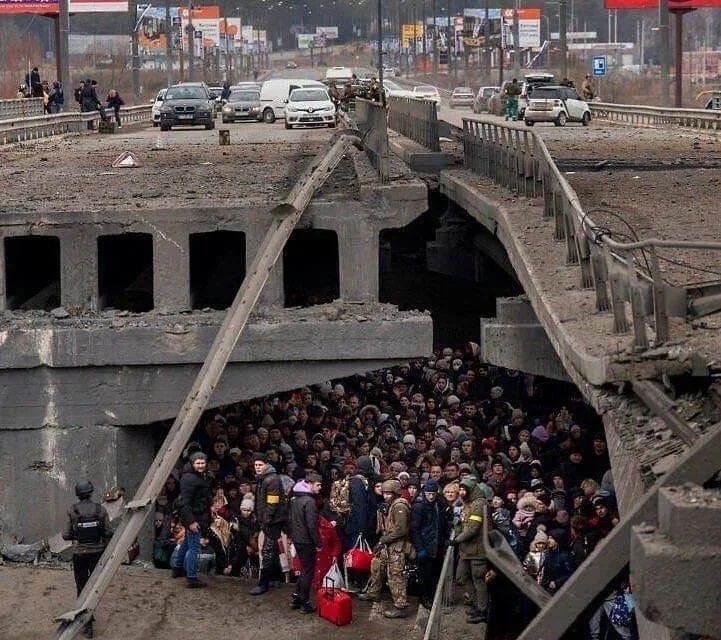
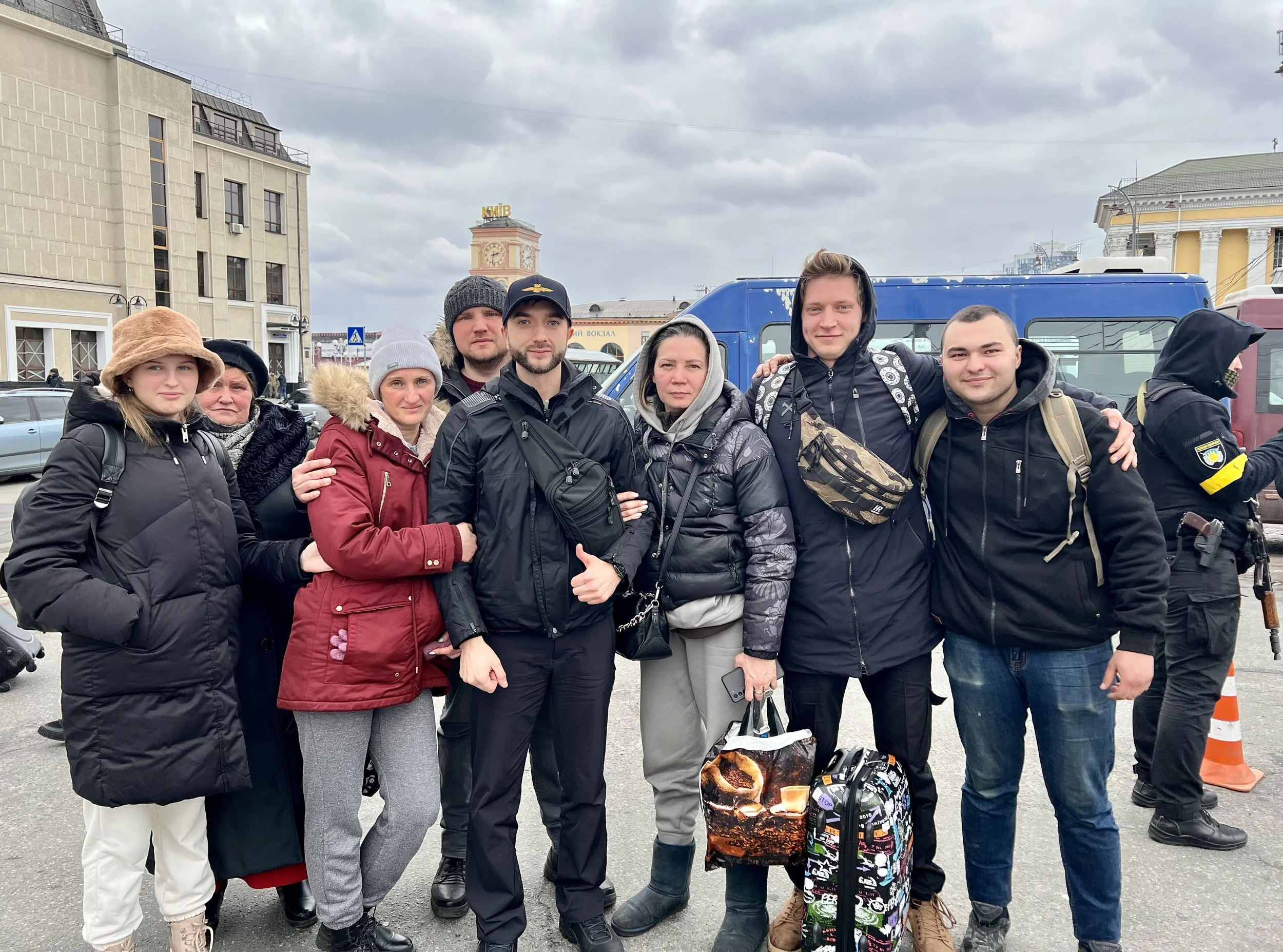
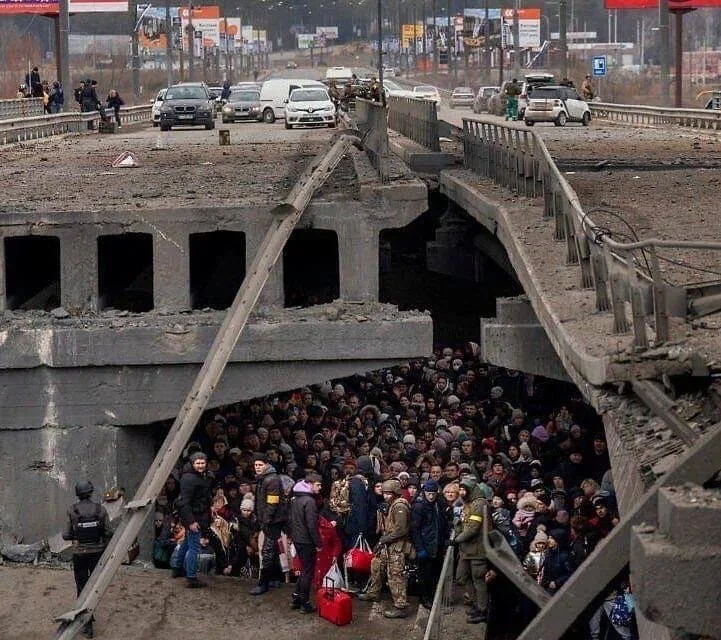
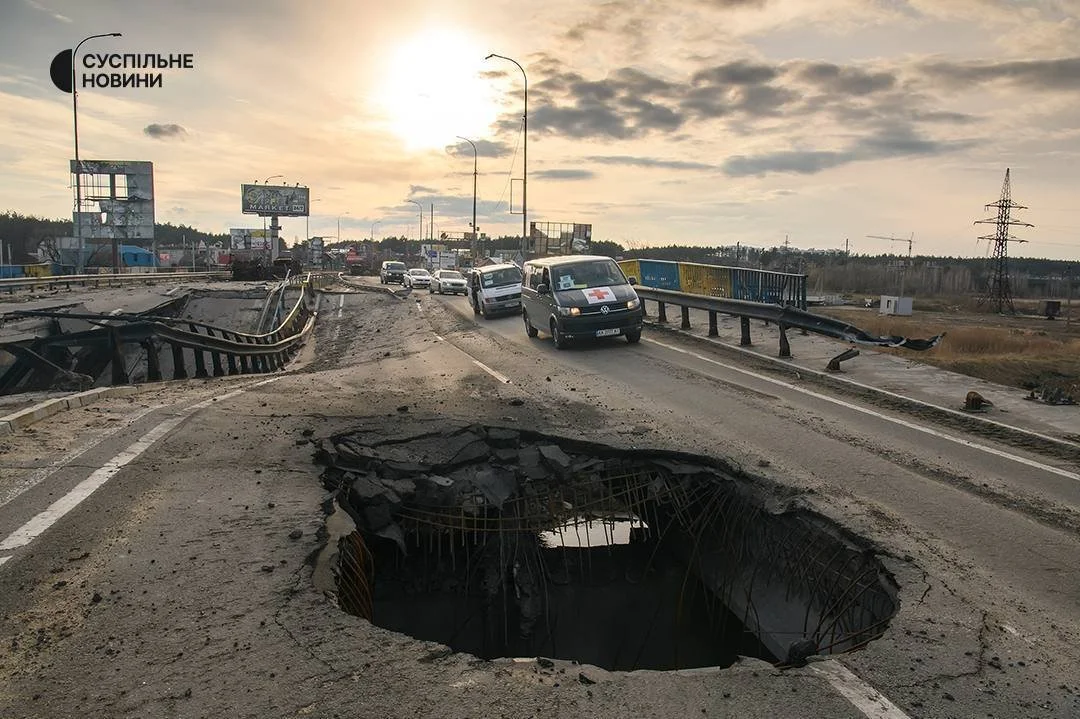
When parts of the Kyiv region were occupied, one of the first things we did was go towards Bucha and Irpin. People were desperately trying to escape. Some humanitarian corridors remained open, and our team gathered every resource and vehicle we had to help those who managed to get out.
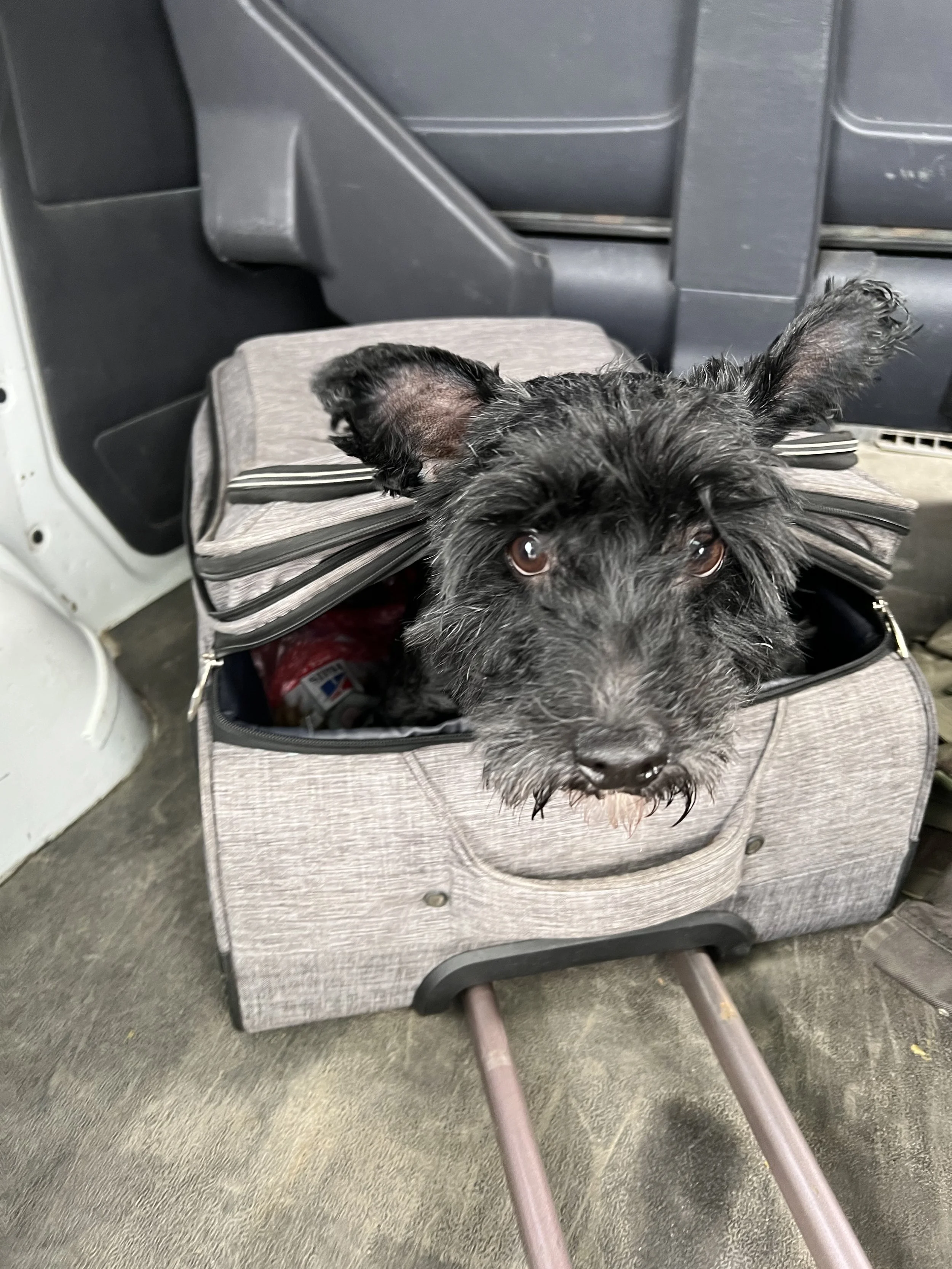
I still remember standing near the destroyed bridge at Irpin. People were making their way across the river and through the remains of the bridge, carrying whatever they had been able to take from their homes. Some even carried their beloved pets in bags and suitcases. Ukrainians love their animals, and seeing people fleeing for their lives but refusing to leave them behind was incredibly moving.
When people reached us, we gave them food, helped them get warm and transported them to shelters or railway stations. Trains were still operating, giving many the possibility of reaching western Ukraine and, for those who needed to leave the country, eventually crossing the border into Europe. In those days, something as simple as a warm vehicle, food and a journey to the station could give someone a chance to reach safety.
It was an extremely difficult period, but through it all God gave us an extraordinary sense of peace and confidence to continue.
Returning to Bucha
After the Kyiv region was liberated, Bucha initially remained closed to civilians. Our volunteer team, however, was known to the military and we were allowed to enter because there was an urgent need to help those who had survived the occupation and had been unable to leave.
I will never forget that first visit.
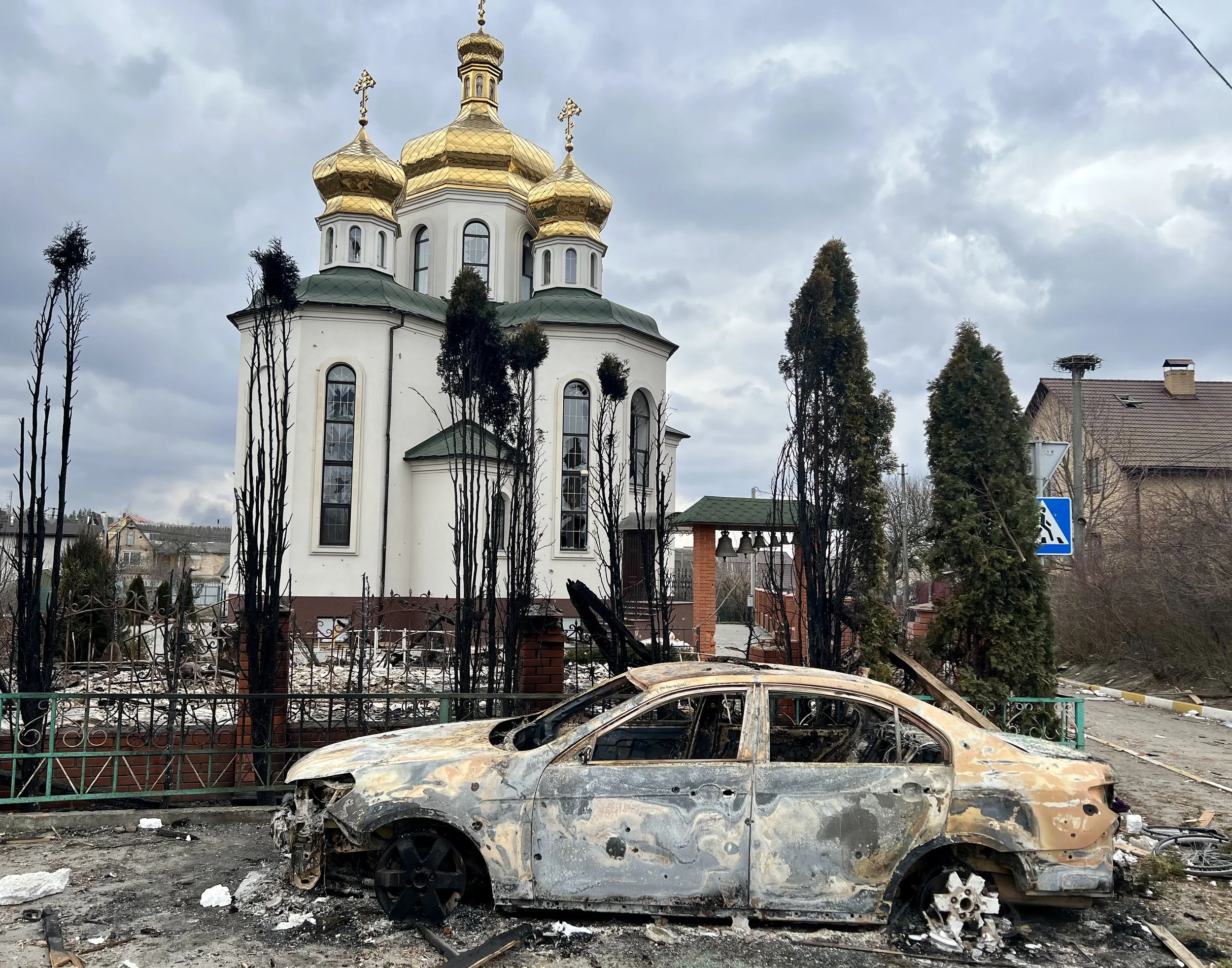
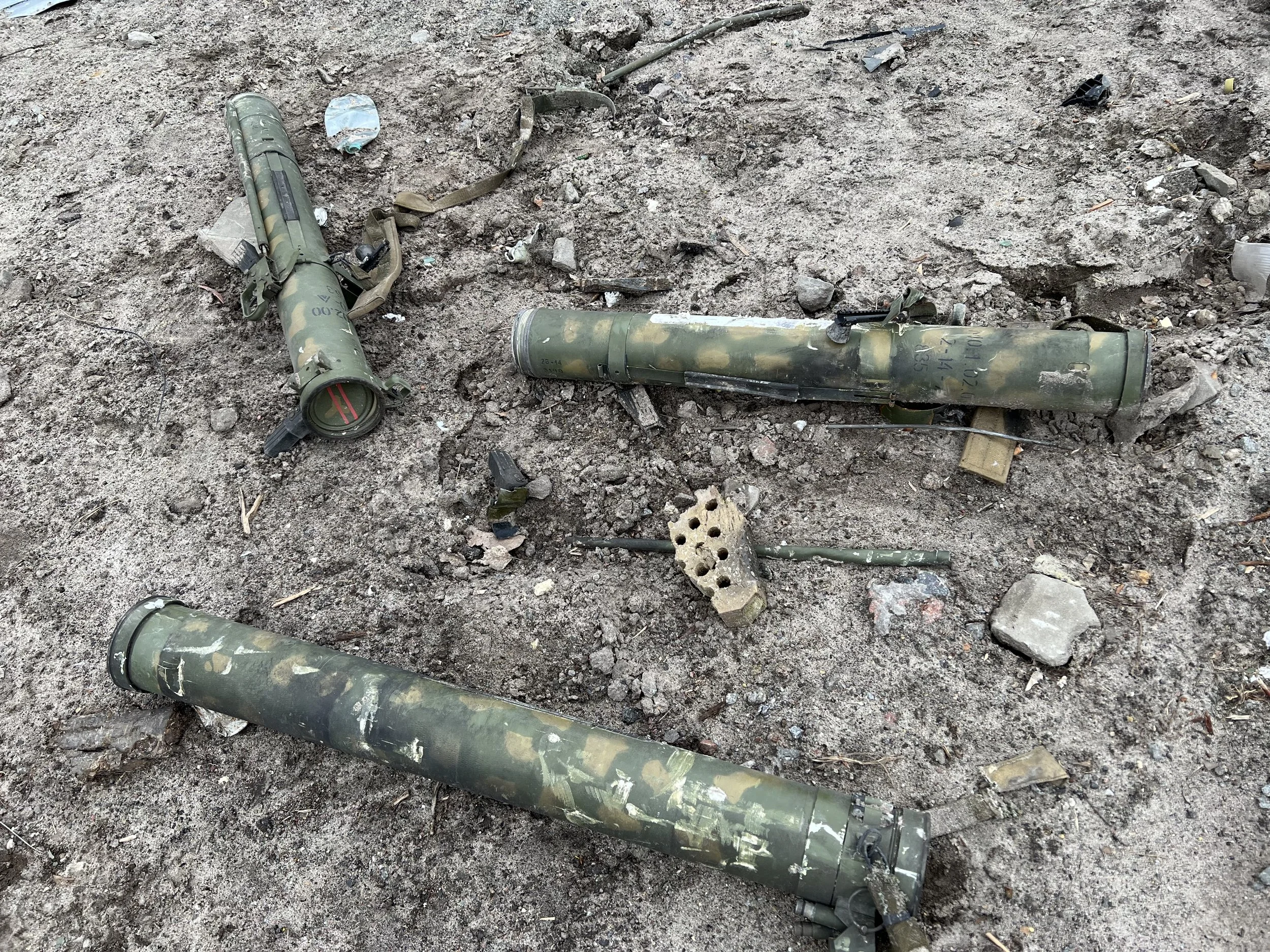
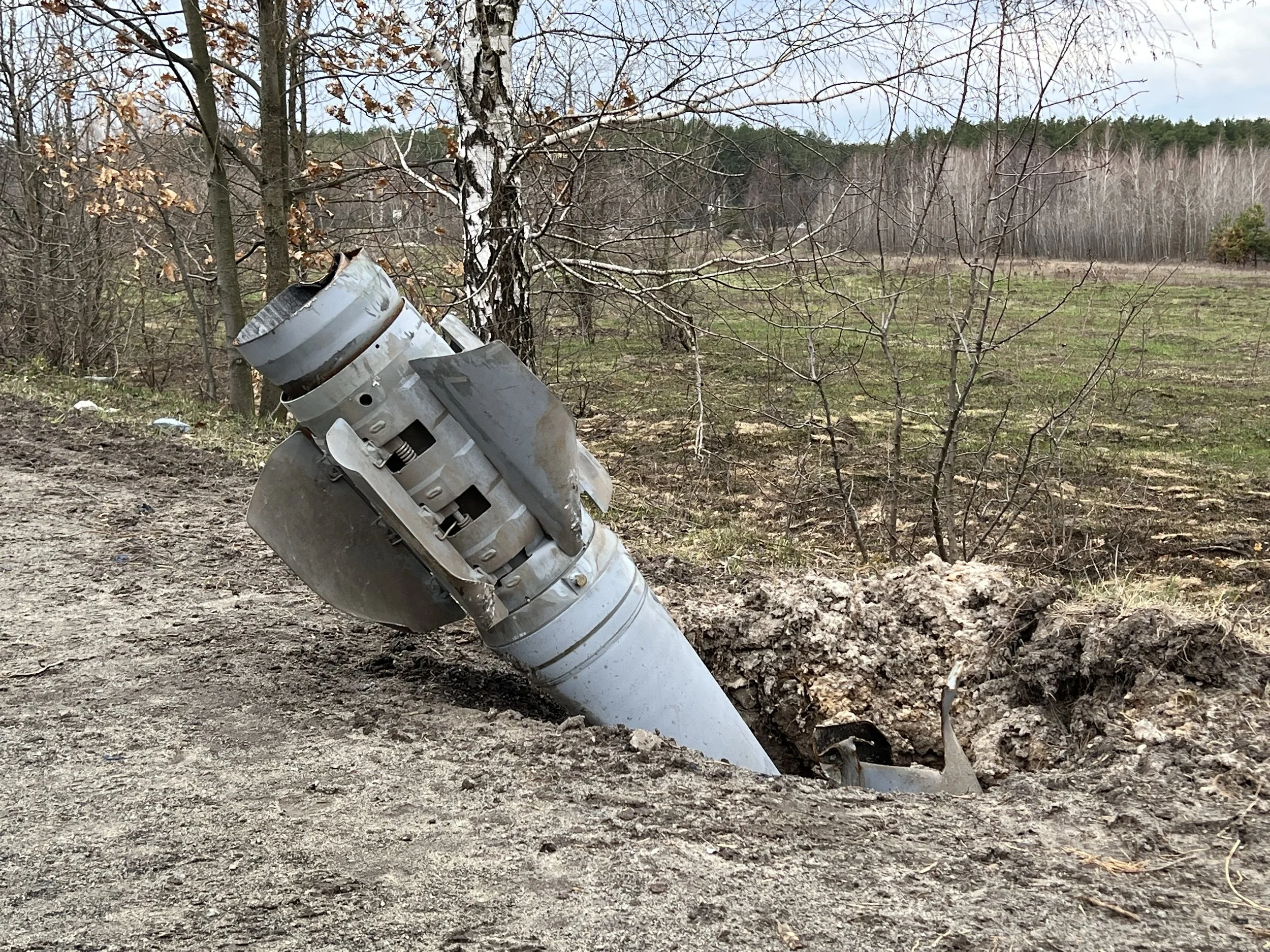
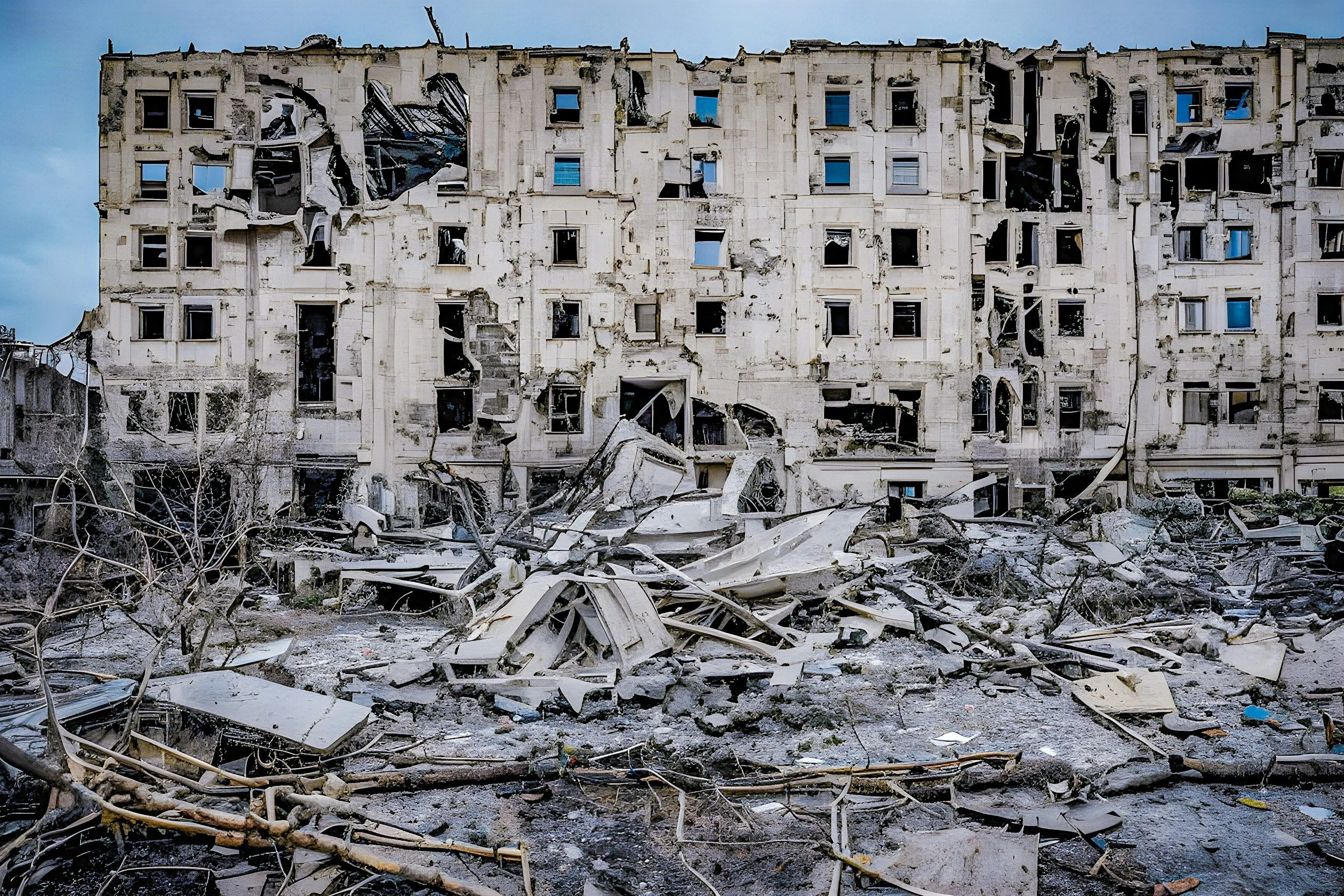
The roads were covered with broken glass and the remains of war. Weapons and unexploded munitions were still lying around, and tragically we saw the bodies of people who had been killed.
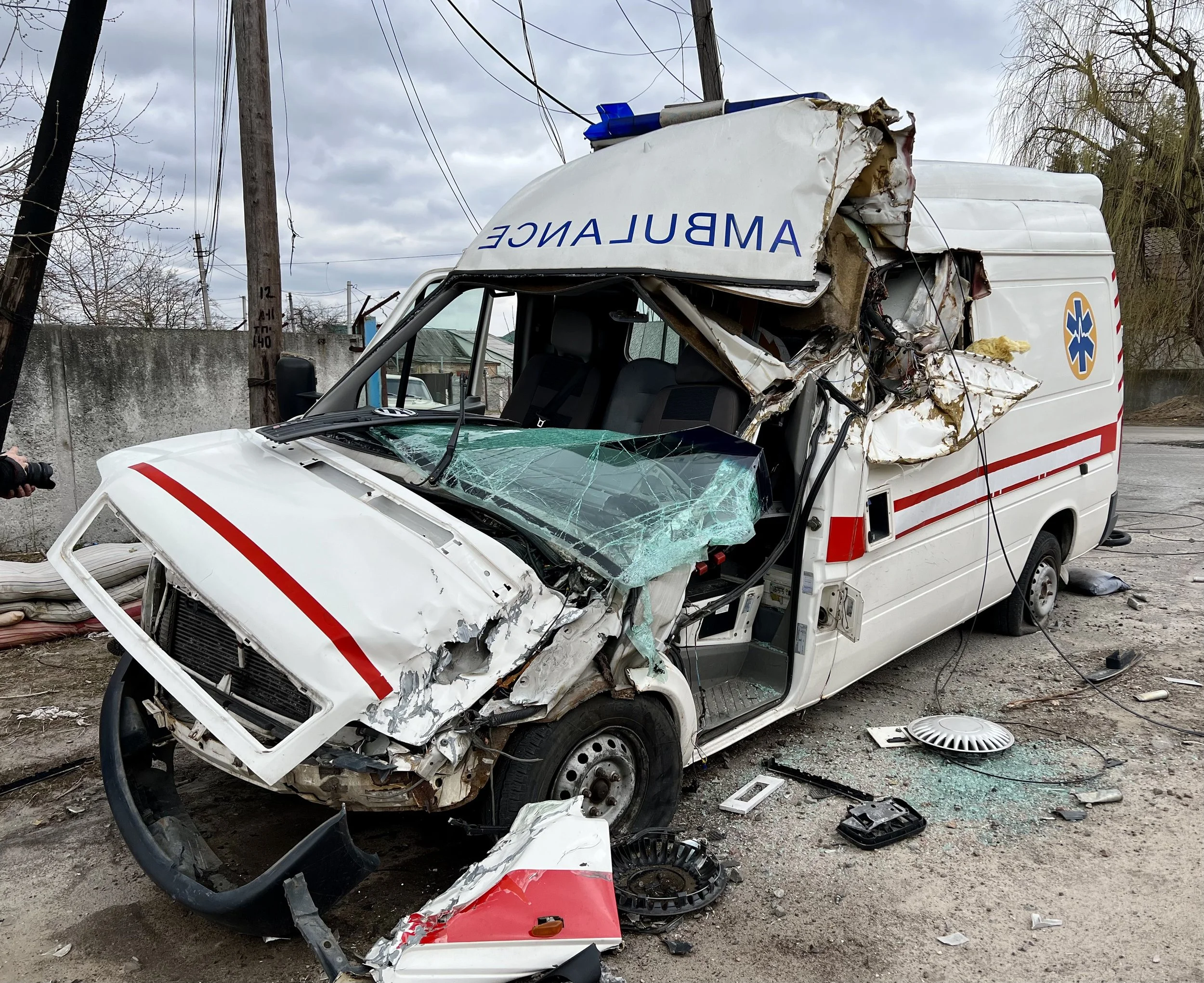
One image remains particularly strong in my memory. In a wooded area we saw an ordinary civilian car displaying white cloths as signs of peace. The vehicle had been completely shot through. We also saw an ambulance that had been shot at. It was painful evidence of a reality we were only beginning to understand – innocent civilians had not been spared.
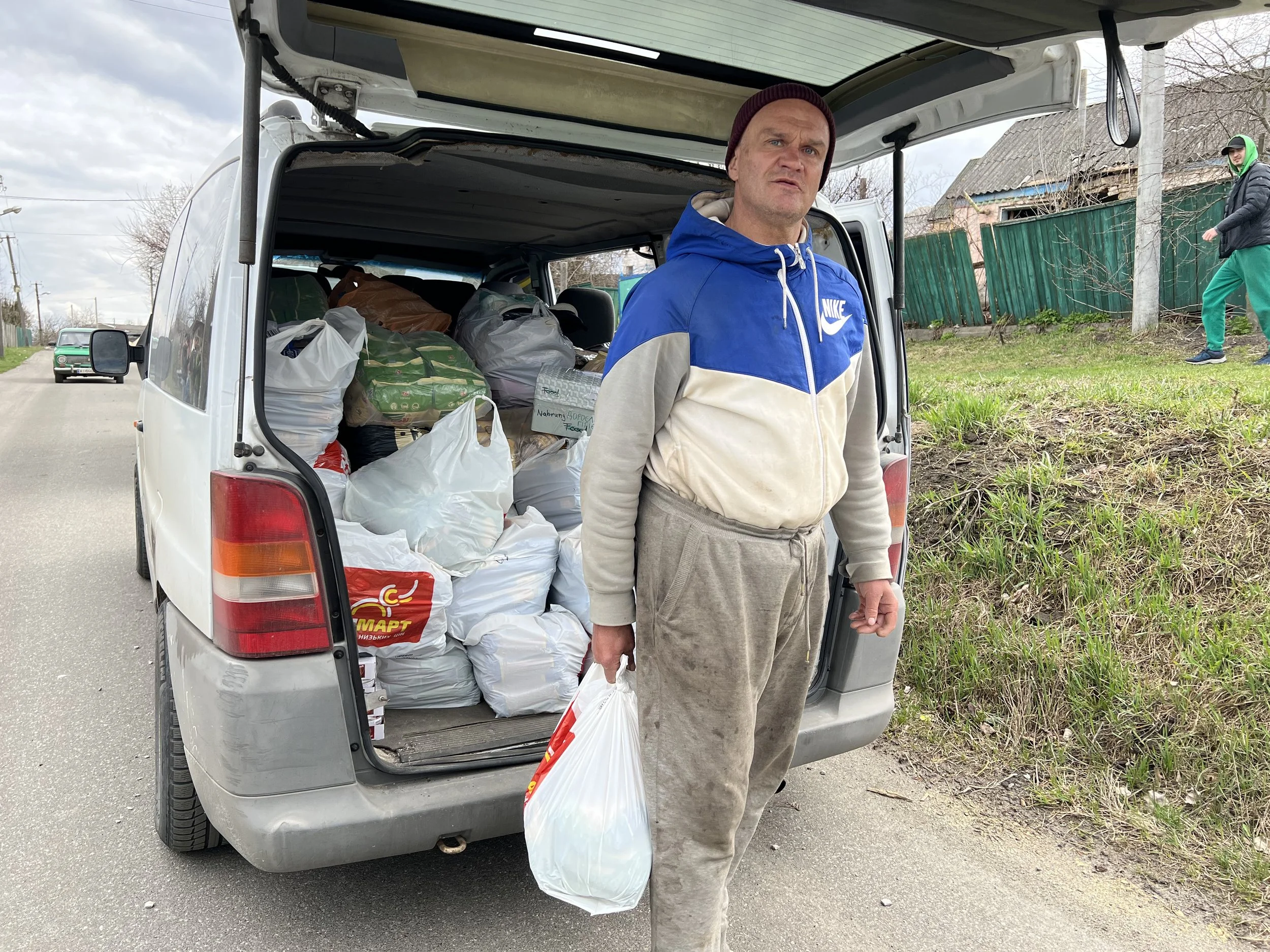
But in the middle of this destruction, something else began.
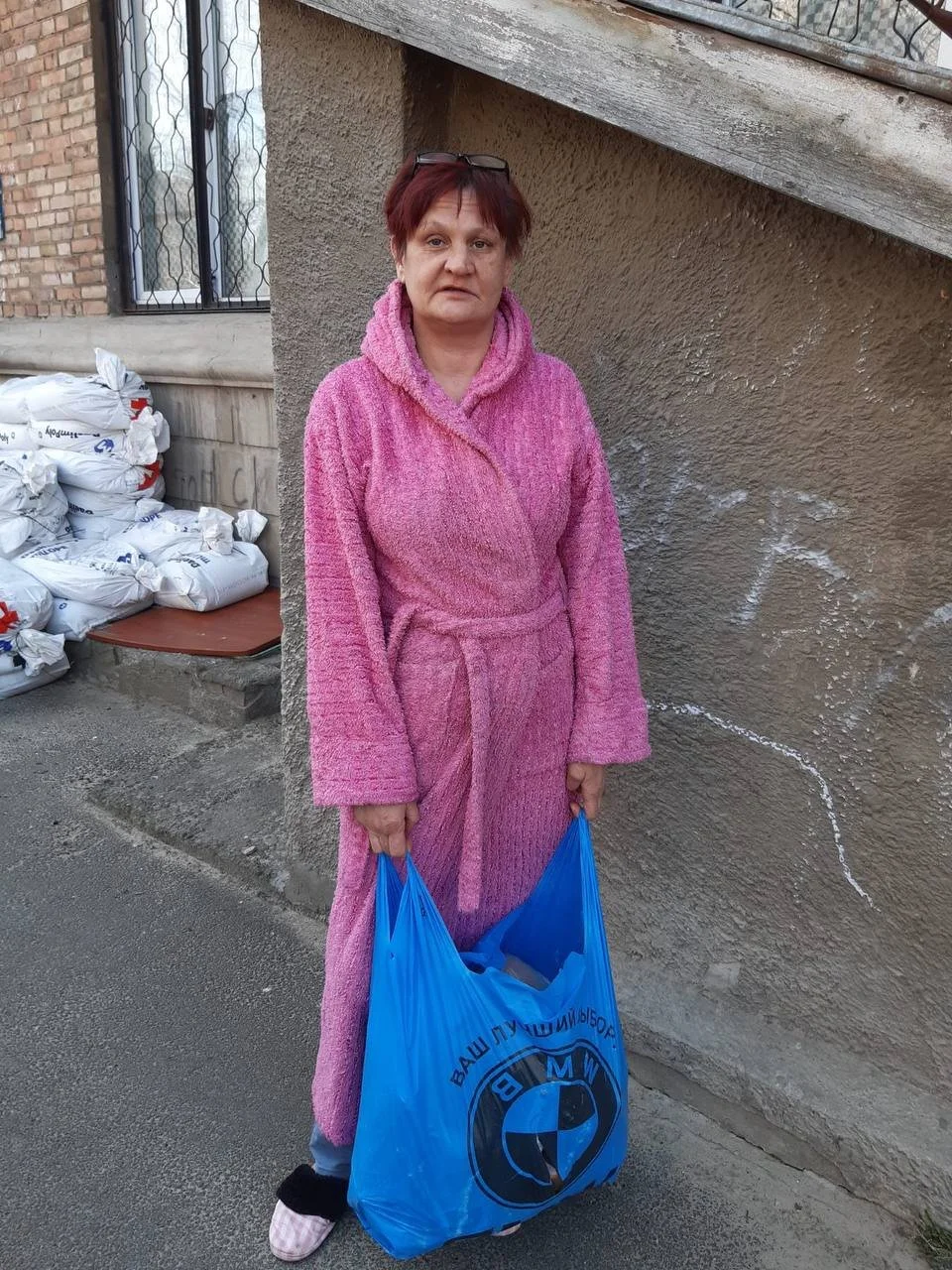
We brought bread and food. We met people who had survived. We listened to them, prayed with them and simply embraced them. Sometimes there were tears just because somebody was there to offer a human embrace. People knew that the enemy had gone, that they were home again and that somebody cared.
For our team, it was a privilege to be an answer to someone's prayer at such a moment. Bucha left an unforgettable mark on our hearts.
Life and Ministry in the Fifth Year of War
Today, in the fifth year of the full-scale war, the war continues, and so does our ministry.
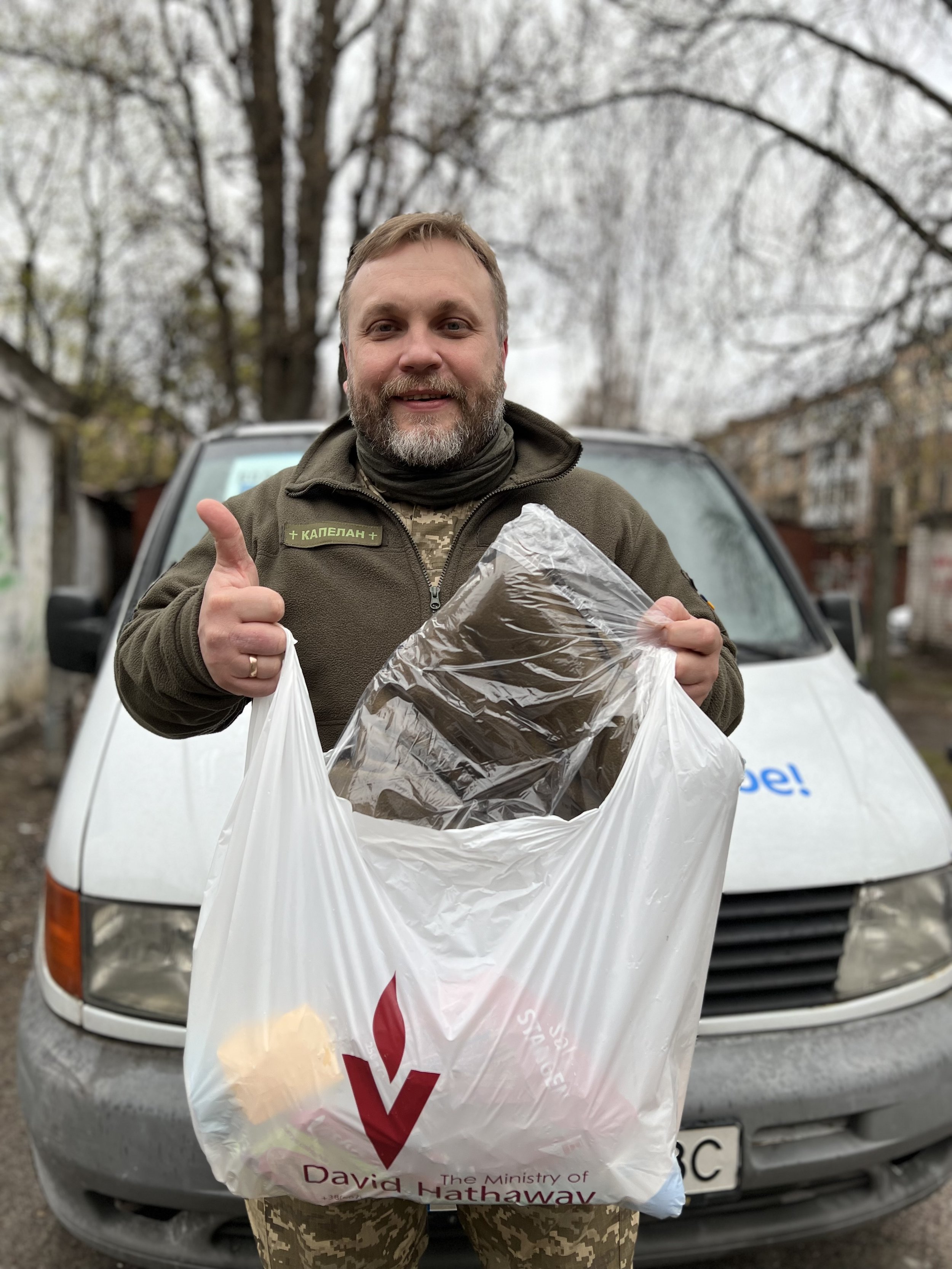
Our teams of volunteers and chaplains regularly travel to the Donetsk and Kharkiv regions, close to some of the most difficult areas of fighting. There are personal risks involved, and we cannot share everything we do because the security and privacy of our defenders must always come first. But we believe this is part of God's calling for us.
We bring practical aid, distribute Bibles, share the Gospel, work alongside local churches and support our heroic defenders. Yet after years of doing this work, I have learned that sometimes the most valuable thing we bring is simply human love.
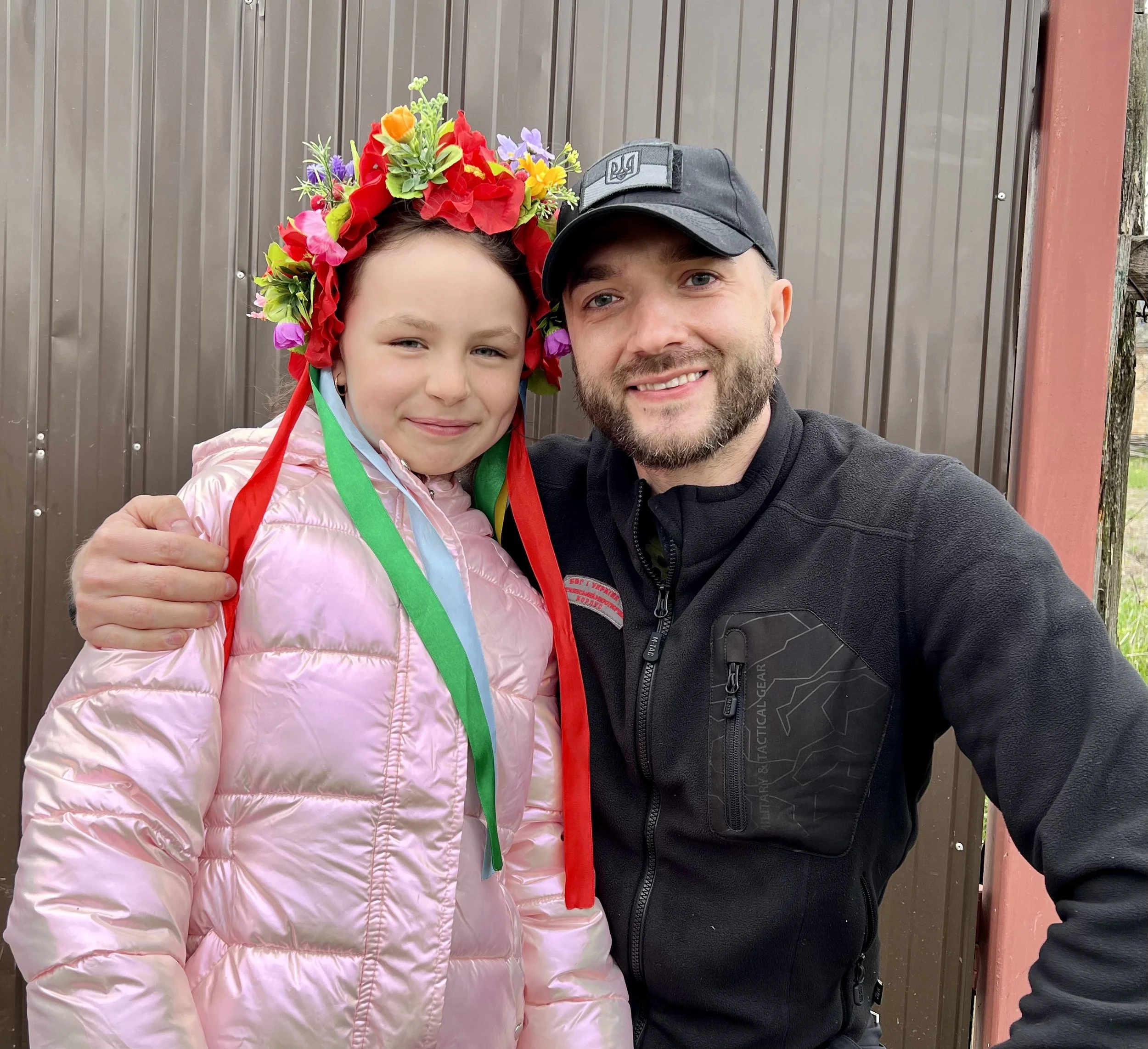
To sit with someone, listen to them, pray together and share for a moment the reality of their life can mean more than we sometimes imagine.
We continue working with churches in cities such as Sloviansk and Kramatorsk. Some church buildings have been damaged, including a church where we previously held evangelistic meetings. Yet pastors continue serving their communities, organising activities for children and adults, supporting displaced families, distributing food and inviting people to discover a new life with God.
Sometimes, after spending time with people in the East, it is difficult to return to Kyiv. You want to remain with them a little longer, sharing their challenges, their suffering and those rare but precious moments when you see a smile again.
Ukraine has changed enormously since February 2022, but we have not lost our faith or our determination. Our defenders continue doing what many once thought impossible. Churches continue serving. Volunteers continue travelling. People continue helping one another.
And we will continue going where God calls us, bringing practical help, the Gospel and His love to those living at the very heart of this war.