
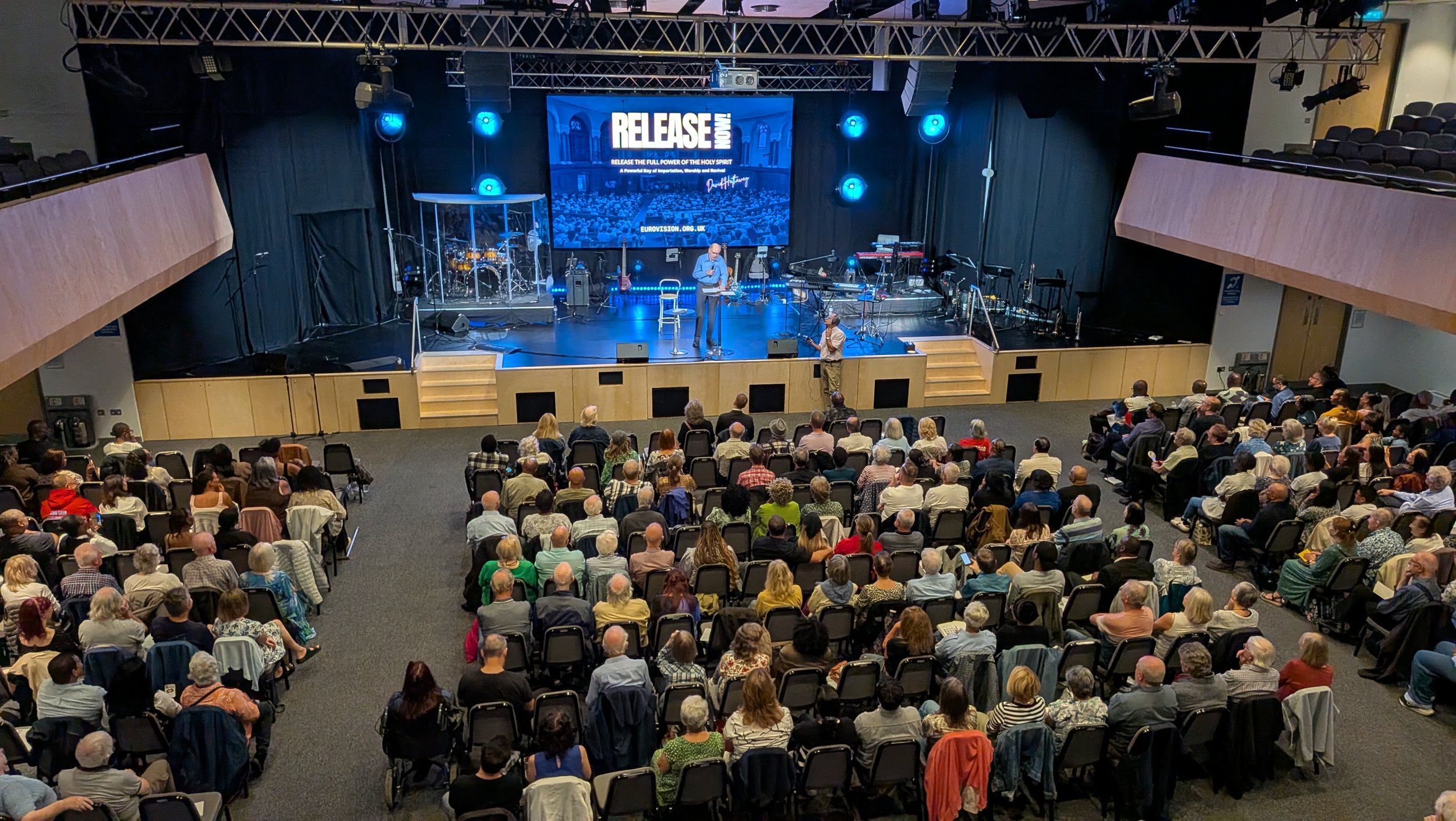
In today’s episode, based on the Book of James, chapter 2, David challenges you to live out your faith with purpose – to not just say, "I believe in God," but to understand that your faith has to be life-transforming.
Verse 14: "What does it profit, my brethren, though a man says he has faith, and he doesn't have the responding work? Can faith save him?"
If a brother or sister is naked and destitute, and if you simply say, "Go on your way, I can't help you," and you don't give them the things which are needful, what does it mean? That is why in verse 17 he says that if you have faith and you don't have the accompanying lifestyle, then that faith is dead.
Verse 19 is very strong. There are a lot of people who say they believe in God. The majority of people – even non-believers, non-churchgoers, non-Christians – will say, "Oh yes, there is a God; I believe in God."
"I believe in God," yes, but look at what James says in verse 19. He says, in essence: "You do very well, don't you? Because even the devil himself believes in God."
It's all very well simply saying, "Oh, I'm fine because I believe there's a God; I believe in God." Yes, but the devil believes that there is a God – he knows only too well! Your salvation doesn't come simply because you say, "I believe in God."
What Does James 2:14-19 Mean by "Faith Without Works Is Dead"?
In the New Testament passage of James 2:14-19, the Apostle James explains that genuine saving faith naturally produces tangible, active compassion. Intellectual belief alone does not equal biblical salvation.
Key Takeaways
Faith Requires Action (v. 14, 17): A verbal profession of belief without charitable, moral action is spiritually dead and ineffective for salvation.
Practical Compassion (v. 15–16): Wishing well upon someone who lacks food and clothing without providing tangible aid proves that the speaker's faith lacks substance.
Monotheism Is Not Enough (v. 19): Mere intellectual assent to the existence of one God is insufficient; even demons acknowledge God's existence and shudder, yet they are not saved.
Frequently Asked Questions
Can faith alone save you according to James 2:14?
In James 2:14, James addresses a passive, verbal claim of belief: "What does it profit... though a man says he has faith, and he doesn't have works? Can that faith save him?" The implied answer is no. James distinguishes between genuine, transforming faith and an empty declaration that produces no fruit.
What is the practical example of dead faith in James 2:15–16?
James uses the example of seeing a fellow believer who is naked and destitute. Offering pious platitudes like "Go in peace, be warmed and filled" without providing physical necessities proves the faith is hollow and useless.
Why does James compare human belief to demons in James 2:19?
James points out: "You believe that God is one; you do well. Even the demons believe—and shudder." He uses this contrast to show that cognitive agreement with theology (monotheism) does not equate to reconciliation with God. True biblical faith requires trust, repentance, and obedience, not just mental agreement.