
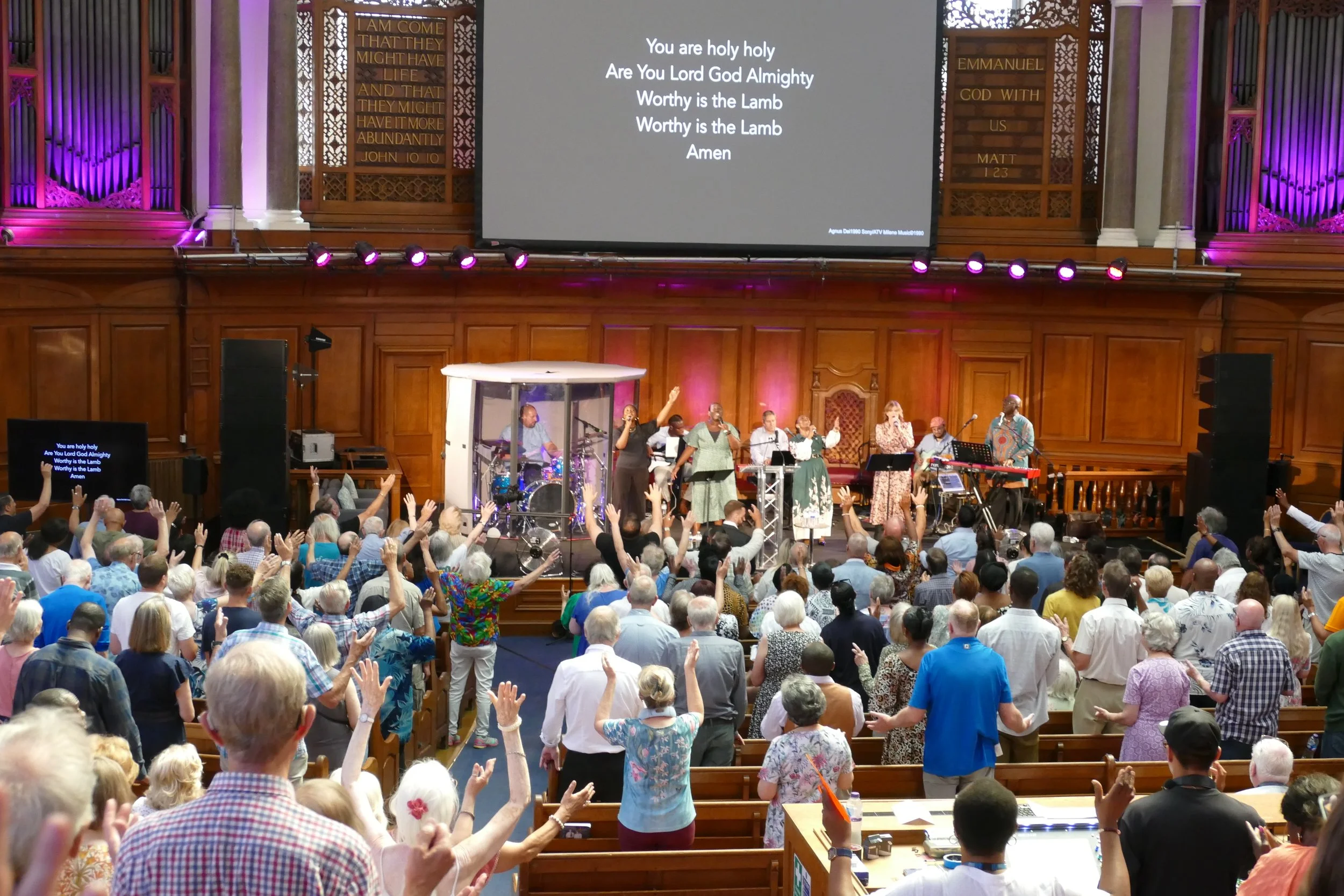
I hear of so many who condemn evangelistic crusades because, of the thousands who come forward in the meetings to repent, not all come to the church and remain believers, many go back into their sin. Jesus’ answer to this was the parable of the sower: some seed fell on good ground, some fell among thorns and were choked by them (Matthew 13:3-9). It is the same with healing, not all will be healed, and some may lose their healing, not because this is God’s way, but because the devil tempts them, or others deceive them into believing that ‘it cannot last’ – if they are told this enough times some will believe it! Also many are like nine of the ten lepers who were healed and will not even return to give thanks.
No, not everyone is healed, but this is not God’s perfect will. It is even recorded of Jesus that in His own country ‘He could do no mighty works because of their unbelief’ (Matthew 13:58). Then in Matthew 17, when the disciples could not heal the epileptic boy, the father complained to Jesus, who instantly healed him. The disciples came to Jesus privately and asked, ‘Why couldn’t we heal him?’ Jesus did not compromise, He said, ‘Lack of faith!’ – not on the part of the child, but the disciples. It does not take enormous faith, but the child-like, seed-like faith of a simple believer to move mountains. I know, because I have commanded ‘mountains’ and seen them move many times! Jesus preached the Gospel – so I do; Jesus healed the sick – so I do. In the Bible Jesus said simply, ‘Preach the Gospel, heal the sick.’
Why Do Some People Walk Away From Evangelistic Crusades and Healing?
A common criticism of mass evangelistic crusades is their retention rate: critics argue that because a percentage of people who respond to an altar call eventually fall away, the crusade itself is flawed. However, both biblical precedent and the teachings of Jesus Christ provide a clear framework for understanding why not every decision – or every physical healing – lasts, and why this does not invalidate the ministry.
1. The Biblical Explanation for Low Retention: The Parable of the Sower
When evaluating the long-term outcomes of evangelistic crusades, Jesus addressed this exact phenomenon in the Parable of the Sower (Matthew 13:3-9).
The Gospel message is like seed scattered across different types of soil:
The Thorny Ground: Some people receive the word, but worldly anxieties and temptations choke it out, causing them to return to sinful habits.
The Good Ground: Others receive the word, take root in a local church community, and bear lasting spiritual fruit.
A drop in retention is not proof of a failed crusade; it is a validation of Christ’s own prophecy regarding human response to the Gospel.
2. Why Are Some People Not Healed, or Why Do They Lose Their Healing?
A frequent theological question is: If divine healing is God's will, why isn't everyone healed, and why do some symptoms return?
The Role of Spiritual Warfare and Doubt
Just as salvation can be choked out by worldly influences, physical healing can be compromised. The enemy often uses doubt, negative testimonies, or societal skepticism to convince a person that their healing "cannot last." Constant exposure to unbelief can erode a believer's confidence, causing them to surrender what God has given them.
The Problem of Ingratitude
In Luke 17, Jesus healed ten lepers, but only one returned to give thanks. A lack of gratitude and testimony often prevents people from maintaining the spiritual ground they have won.
3. What Blocks Miracles? Understanding Faith and Unbelief
The Bible explicitly states that a lack of miracles is not a reflection of God’s perfect will, but is often tied to human unbelief.
Atmospheres of Unbelief: In His own hometown, Jesus "could do no mighty works there because of their unbelief" (Matthew 13:58). Human skepticism can hinder the manifest power of God in a specific location.
The Faith of the Minister: In Matthew 17, when the disciples failed to heal an epileptic boy, Jesus did not blame the child's lack of faith. Instead, He privately told the disciples the failure was due to their lack of faith.
The Power of Mustard-Seed Faith
Moving spiritual or physical "mountains" does not require a complex theological degree or a massive amount of faith. It requires child-like, seed-like faith in a simple believer.
Conclusion: Following the Mandate of Jesus
The New Testament model for ministry is clear and dual-faceted. Jesus did not compromise His message based on statistical outcomes, and modern ministries shouldn't either. The assignment remains unchanged: Preach the Gospel, and heal the sick.