
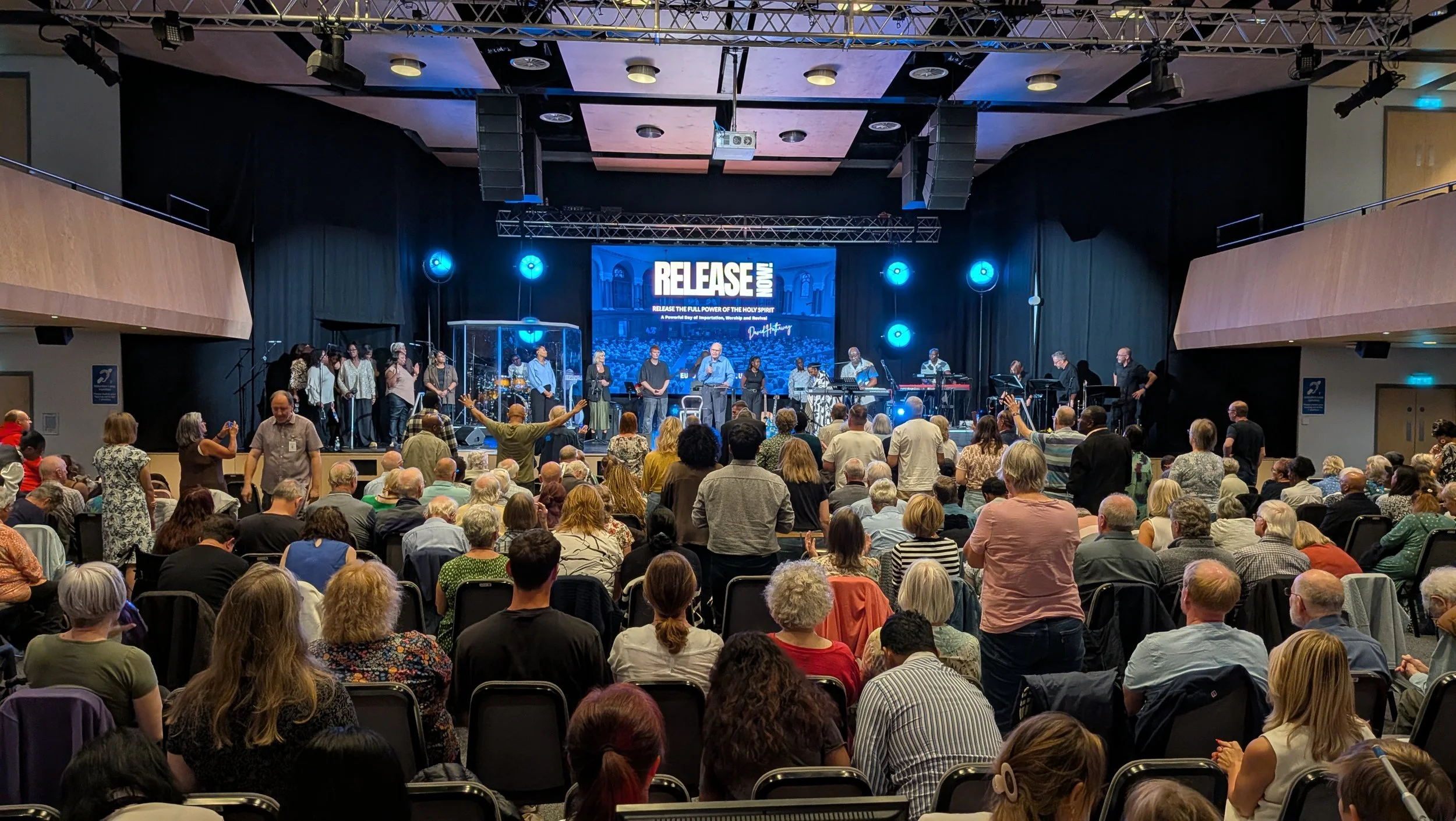
Based on the Book of James, chapter 4, we are told to submit ourselves to God and not to fight one another.
I've got a heading in my Bible which is, "Submit yourselves to God." And that really is the theme of this: submitting to the Lord – submission.
I don't think we fully understand the importance of submission. So often, if you're in a fight with two men, one does not want to submit to the other, but defeat that person. The most famous fight between God and man was with Jacob when he wrestled with God. And when it came to the morning, that neither side prevailed, and God actually had to touch Jacob's thigh and cripple him.
James starts off in the first verse by saying, "What causes fights and quarrels?" Yes, it's in families, it's in businesses, it's in the church – that's what James is inferring here. What is the origin of fighting and quarreling? And he says – and this is James's reasoning – "Don't they come from desires within you that are fighting?"
A lot of fighting is within ourselves. There is a battle going on: good against evil. Do we do this, or do we do that? We have to choose.
Biblical Submission: Understanding James 4 and the Battle Within
Direct Answer: What Does the Bible Mean by Submitting to God?
Biblical submission to God – anchored in James 4:7 ("Submit yourselves therefore to God") – means yielding human self-will, pride, and selfish desires to God’s divine authority. Unlike worldly defeat, biblical surrender brings spiritual victory, inner peace, and resolution to interpersonal conflicts.
1. The Conflict of the Human Will: Jacob Wrestling with God
In human conflict, the objective is typically dominance: neither party wants to yield. Scripture illustrates this struggle in Genesis 32:24-32, where Jacob wrestles through the night with God.
The Standoff: Jacob relies on natural strength and tenacity until daybreak.
The Turning Point: God touches the socket of Jacob’s hip, physically weakening him.
The Lesson: God breaks Jacob’s self-reliance so he can receive a spiritual blessing. True submission often requires surrendering our natural instinct to overpower God's will.
2. What Causes Fights and Quarrels? (James 4:1-3)
In James 4:1, the Apostle James diagnoses the root cause of relational conflict across families, workplaces, and congregations:
"What causes fights and quarrels among you? Don’t they come from your desires that battle within you?" (James 4:1, NIV)
Conflict rarely begins externally. James establishes that interpersonal disputes originate from internal spiritual tension:
Covetousness and unchecked ambition: Wanting what others have or demanding our own way.
Internal battle of desires: The perpetual conflict between the flesh and the spirit (Galatians 5:17).
The daily moral choice: Choosing between selfish gratification and obedience to God.
3. The Path to Resolution: Submit, Resist, Draw Near
James provides a clear three-step spiritual solution in James 4:7-8:
Submit to God: Acknowledge God's sovereign authority and surrender personal demands.
Resist the devil: Actively oppose deception and sinful impulses; scripture promises he will flee.
Draw near to God: Cultivate intimacy through prayer, repentance, and humility.
Frequently Asked Questions
Why does James say conflicts come from internal desires?
James 4:1 teaches that external arguments in relationships, churches, and businesses stem from unmet internal cravings (passions and pride). When individuals prioritise personal gratification over God’s will, interpersonal strife inevitably follows.
How does Jacob’s wrestling match illustrate spiritual submission?
Jacob’s wrestling match in Genesis 32 illustrates that God often brings believers to the end of their physical and emotional self-reliance. By dislocating Jacob's hip, God demonstrated that spiritual victory comes through brokenness and surrender, not human force.
What is the difference between worldly submission and biblical submission?
Worldly submission is seen as defeat or humiliation at the hands of an opponent. Biblical submission to God is an act of trust and worship that leads to spiritual freedom, divine protection, and moral clarity.